Crown of the Doorway: Georgian and Regency Fanlights in Repair and Use
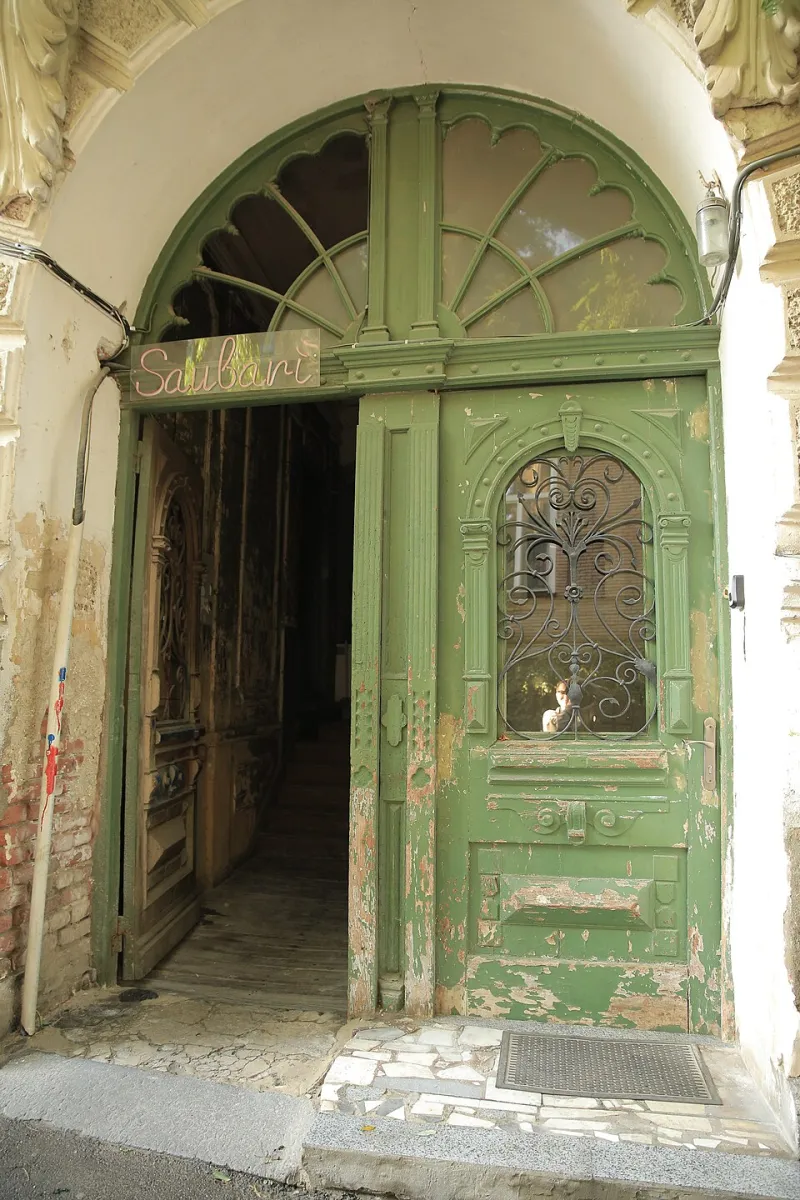
Photo: FingerWiki, CC BY 4.0, via Wikimedia Commons
The fanlight is easily overlooked. Set above the front door, often in shadow or half-light, it can appear to be a decorative afterthought. In Georgian and Regency houses, however, it performs several tasks at once: it draws daylight into a narrow hall, completes the architectural rhythm of the facade, and announces the status of the entrance. For the owner of a period property, it is also a composite of timber, iron and glass that deserves to be understood before it is touched.
A Window with Structural and Social Purpose
The fanlight became a familiar feature of polite British architecture during the eighteenth century and remained central to Regency doorcases in the early nineteenth. Its form followed the prevailing taste for semicircular and elliptical arches, and its glazing bars were often arranged in radiating patterns, spider webs or slender geometric grids. Pattern books and leading architects of the period treated the fanlight as part of the whole composition of the doorcase, not as an isolated window. In towns such as Bath, Edinburgh, Cheltenham and London, the semicircle above the door became a signature of the terraced street.
The structural role is sometimes misunderstood. The principal load above a doorway is carried by the masonry arch or lintel, but the fanlight frame helps to brace the opening and carries the weight of its own glazing and ironwork. Where the frame has rotted or the arch has settled, the consequences can be read in sticking doors, cracked glass and distorted bars. The symbolic role is equally important. A fanlight offered light and transparency at the threshold, allowing visitors to be seen before the door was opened, while its pattern and scale signalled the aspirations of the household.
Reading the Signs of Decay
Fanlights fail in predictable ways. Exterior paint breaks down first, allowing water into joints and putty. Timber at the base of the frame, where condensation gathers, may soften and rot. Ferrous glazing bars rust and expand, gripping or cracking the glass. Lead cames can fatigue and sag, particularly in large semicircles where the panels carry their own weight. Settlement in the surrounding masonry may twist the frame out of square, and old repairs may have introduced cement mortar or unsuitable sealants that trap moisture.
Diagnosis should begin with close inspection from both sides. A conservator or experienced joiner will tap timber for soundness, probe accessible joints, check the operation of the door below, and photograph the glazing bars and glass before any work begins. It is important to distinguish patina from failure. A slightly uneven paint surface or a little historic putty loss may be part of the window's character; deep rot, rust jacking and loose lead are not. Owners of listed buildings should also establish early whether listed building consent is required, and should involve the local conservation officer before specifying alterations.
Repairing with Restraint
The best repair is usually the least destructive. Sound historic timber can be spliced and repaired rather than replaced wholesale, with new sections matched to the existing profile and fixed with appropriate joinery. Where a frame is beyond saving, a like-for-like replacement in suitable timber is preferable to a change of material or profile. Ironwork should be gently cleaned of rust, treated and repainted; abrasive blasting is rarely appropriate. Broken glass should be retained wherever possible, and missing panes matched in colour, texture and thickness so that the fanlight does not read as a patchwork.
Re-leading is a specialist task. The aim is not to make the fanlight look new, but to restore its structural integrity while preserving the evidence of age. Putty should be renewed with a traditional linseed-oil putty, and the surrounding masonry allowed to breathe. Ventilation matters, particularly in halls where cooking, bathing and everyday occupation produce moisture. Improvements to thermal performance should be considered with care, so that neither the historic glass nor the visual lightness of the fanlight is compromised.
At Stained Windows, the guiding principle is that the glass should remain the author of the entrance. Repair should clarify the design, not compete with it. A well-restored fanlight gives the doorcase coherence: the bars align, the glass sits calmly in its frame, and the light falls into the hall as it was intended to do.
Dressing the Hall Without Upstaging the Glass
Styling an entrance hall around a fanlight is a matter of restraint. Paint colours should be chosen with the doorcase as a whole in mind. Traditional joinery colours, muted off-whites, deep greens, slate blues and quietly warm neutrals can all work, but the fanlight frame should not be painted in a way that obscures its profile. Where the glass is clear, a darker joinery colour can make the light appear more luminous; where coloured or etched glass is present, a quieter palette allows the glass to speak.
Ironwork usually reads best in black, near-black or dark bronze, finishes that recede and let the pattern be seen. Brass door furniture may be polished or left to darken, according to the character of the house, but consistency across the doorcase is more important than shine. Interior lighting should be warm, diffused and dimmable. A pendant hung low in the hall can illuminate the space without turning the fanlight into a glaring panel at night, while a gentle wash of light across the ceiling may reveal the curve of the arch. Bright, cold or coloured lamps tend to flatten the lead lines and disturb the calm of the entrance.
Furniture and pictures should be arranged so that the sightline from the door to the fanlight remains open. A console table, a narrow bench or a single mirror can be useful, but the fanlight should not be curtained, shelved over or lit from directly below. Its pleasure lies in the way daylight changes across the glazing bars and in the moment, at dusk, when the hall becomes a lantern seen from the street.
The fanlight is a small architectural instrument, but it governs the character of the doorway. In 2026, few elements of a period house offer so much distinction for such measured intervention. Repaired with patience and dressed with restraint, it continues to do what it has always done: admit light, mark the threshold and give the entrance its quiet ceremony.