Stained Windows Period glass, patient craft, lasting light.

Stained Windows

Period glass, patient craft, lasting light.

Latest Articles

Fragile Canopies: Conserving Leaded and Stained Glass in British Conservatories
Design History & Conservation

Fragile Canopies: Conserving Leaded and Stained Glass in British Conservatories

Conservatories, summerhouses and garden rooms are among the most delicate inheritances in a period home, their glazed roofs and walls often carrying leaded or stained glass that has survived more by luck than design. This guide considers how to read their decay, commission sympathetic repair and navigate the planning landscape without sacrificing the character of the glasshouse.
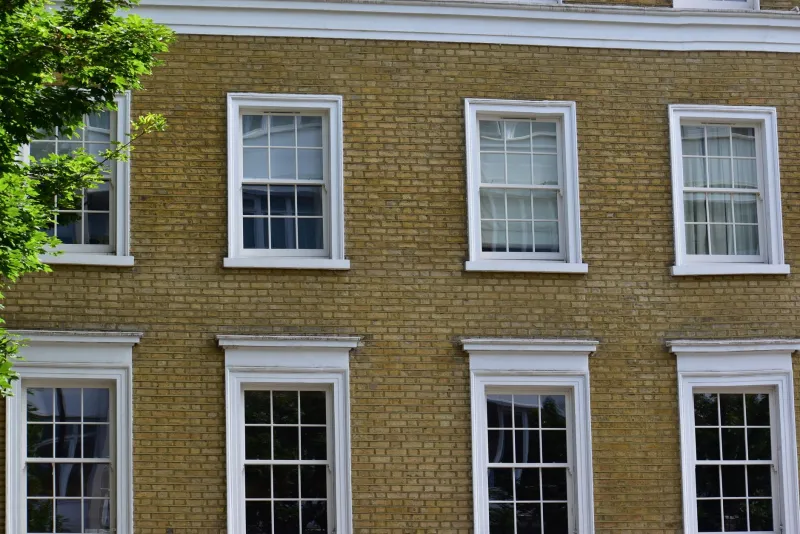
The Ledger in the Brickwork: Window-Tax Blockings and the Ethics of Reopening Them
Design History & Conservation

The Ledger in the Brickwork: Window-Tax Blockings and the Ethics of Reopening Them

Britain's window tax left blind openings, altered facades and darkened rooms that still shape period homes. This article explains how to read the evidence of a blocked window, what sympathetic reinstatement involves in 2026, and why the wiser course is sometimes to leave the brickwork undisturbed.

Crown of the Doorway: Georgian and Regency Fanlights in Repair and Use
Design History & Conservation

Crown of the Doorway: Georgian and Regency Fanlights in Repair and Use

The fanlight above a Georgian or Regency door is both a piece of structural joinery and a quiet instrument of arrival. This article considers its history, the decay patterns owners should recognise, repair approaches that respect historic fabric, and ways to light and dress an entrance hall without diminishing the glass.

Quiet Quarries: The Case for Leaving Plain Leaded Lights Alone
Design History & Conservation

Quiet Quarries: The Case for Leaving Plain Leaded Lights Alone

Colour is not the only measure of a historic window. In many British period houses, the plain leaded light — quarries, squares, bullions and modest margins — is the original scheme, and its restraint is part of the architecture. This essay argues for reading the glazing before altering it, and for treating uncoloured glass as a conservation subject in its own right.

The Second Skin: Secondary Glazing and Historic Glass in 2026
Buying & Survey

The Second Skin: Secondary Glazing and Historic Glass in 2026

Secondary glazing can improve comfort and reduce heat loss without touching a historic window, but the detail matters. This 2026 guide sets out how UK renovators can compare systems, manage condensation and ventilation, and satisfy building regulations and conservation expectations.

The Capital in the Casement: Historic Glazing as Asset and Obligation
Buying & Survey

The Capital in the Casement: Historic Glazing as Asset and Obligation

Original stained and leaded glass can quicken a sale and support a premium in the British period market, but the advantage is neither automatic nor cost-free. This analysis sets the valuation signal against conservation liabilities, surveyor cautions and insurance exclusions that owners must price into ownership.

The Due-Diligence Interview: Ten Questions for Period-Glass Conservators
Design History & Conservation

The Due-Diligence Interview: Ten Questions for Period-Glass Conservators

Historic glass is not a glazing job like any other. Before a craftsperson lifts a panel, UK homeowners should test method, vocabulary and evidence — not just price.

The Patina Clause: How to Judge When a Period Window Needs Rescuing — and When It Needs Leaving
Design History & Conservation

The Patina Clause: How to Judge When a Period Window Needs Rescuing — and When It Needs Leaving

A bowed lead line is not automatically a crisis, and a clouded quarry is not automatically a fault. This essay sets out a graduated framework — monitor, stabilise, restore — and argues that in period glazing the most skilled decision is often the one that leaves the window untouched.

Warming the North: Glazing Schemes for the Dark Halls and Stairwells of British Period Homes
Buying & Survey

Warming the North: Glazing Schemes for the Dark Halls and Stairwells of British Period Homes

North-facing halls and stairwells receive little but cool, flat sky light, and a design that would blaze in a sunlit church window will read as grey behind a front door. Here is how orientation, texture, density and colour temperature shape a new panel — and how to brief a maker for a hallway that feels welcoming rather than merely dim.

A New Light for an Old House: Commissioning Stained Glass with Historical Sensitivity
Buying & Survey

A New Light for an Old House: Commissioning Stained Glass with Historical Sensitivity

Where a period window is missing or beyond repair, new stained glass can be a considered addition rather than pastiche. This practical guide covers briefing a craftsman, matching historic palette and leading, securing consent and judging realistic costs and lead times in 2026.

Threshold Glazing: The Conservation of Victorian and Edwardian Door Glass
Design History & Conservation

Threshold Glazing: The Conservation of Victorian and Edwardian Door Glass

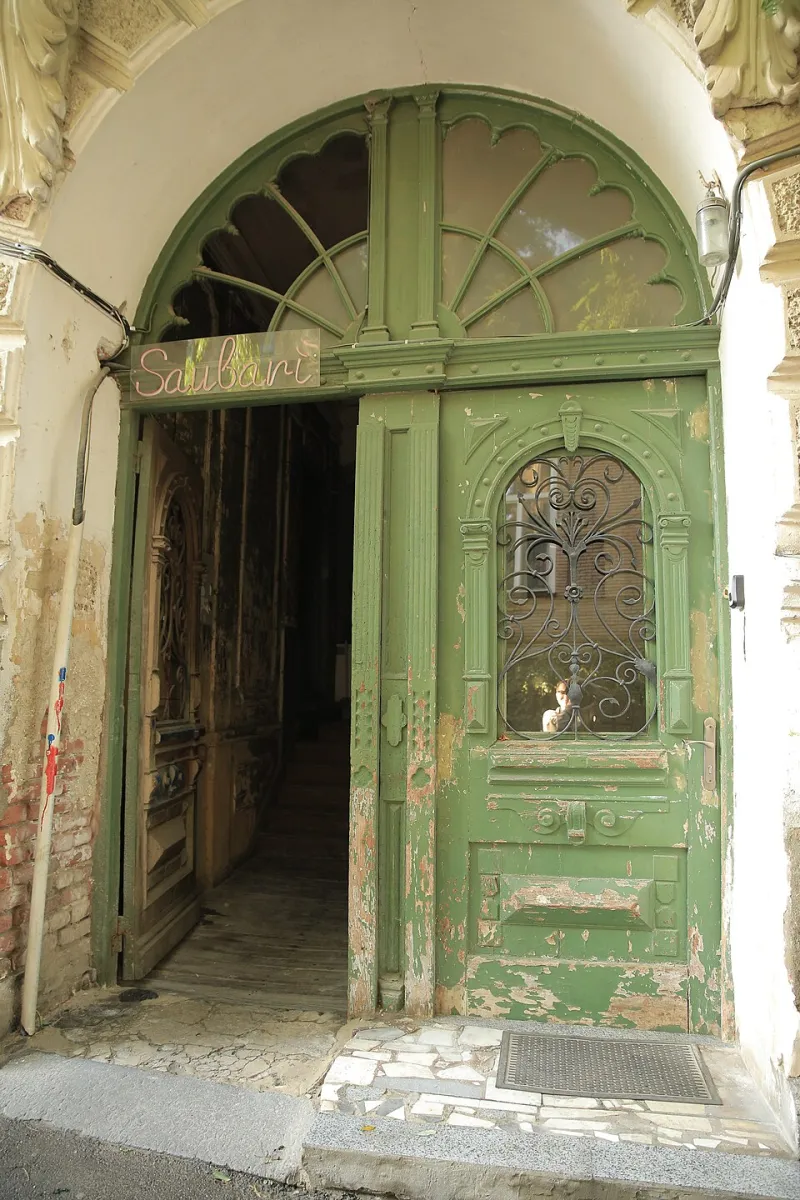
Fanlights, sidelights and margin lights are among the most exposed and least examined elements of a British period facade. This guide considers their period patterns, their vulnerability to decay and the conservation-minded repair of lead, glass and timber.

The Conscience of the Craft: Identifying and Keeping Arts and Crafts Stained Glass in a British Home
Design History & Conservation

The Conscience of the Craft: Identifying and Keeping Arts and Crafts Stained Glass in a British Home

Between 1880 and 1920, British stained glass turned away from industrial uniformity and towards the hand, the hearth and the local maker. This guide traces the signatures of Arts and Crafts glazing—texture, lead line and painted detail—and sets out a conservation-minded approach for period homeowners.

Twelve Windows to Watch: A Buyer's Audit for Stained Glass in Period Properties
Buying & Survey

Twelve Windows to Watch: A Buyer's Audit for Stained Glass in Period Properties

Stained glass can be the making of a period home—or a costly omission in the survey. Before you exchange contracts, use this twelve-point audit to separate honest age from hidden failure, with indicative UK repair costs and clear negotiation points.