The Missing Quarry: Sourcing Compatible Glass for a Damaged Period Window

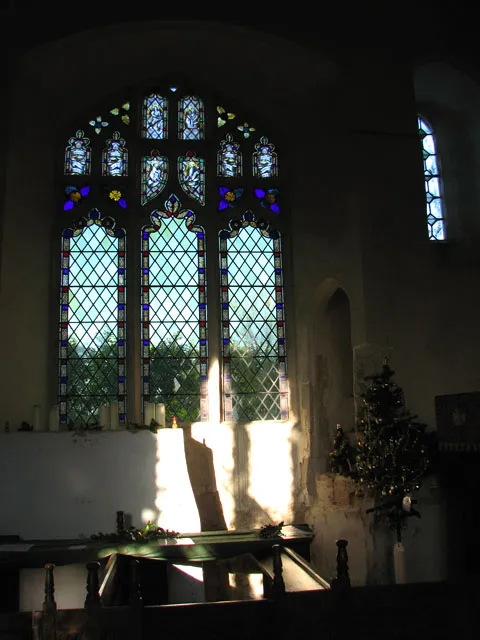
Photo: Neil Theasby , CC BY-SA 2.0, via Wikimedia Commons
A damaged period window is seldom repaired by glass alone. When a quarry cracks, a border light shatters or a painted roundel is lost, the visible failure is only the beginning of the enquiry. The replacement must answer to the original in colour, texture, thickness, lead profile and, where relevant, painted decoration. In a British period home, the task is not merely to fill an aperture but to restore a small piece of transmitted light without turning the window into a collage of unrelated fragments.
Begin with the failure, not the pane
The first useful act is diagnosis. A crack may be the result of impact, but it may also follow movement in the lead, corrosion of the came, a failing saddle bar or pressure from a hard cement repair. Removing the broken piece without understanding the cause can leave the new glass exposed to the same stress. Photograph the window in daylight and in raking light; note the lead widths, the glass texture and any painted detail. Do not clean the surrounding glass before a conservator has seen it, and secure loose pieces with conservation-grade tape rather than household adhesive.
In listed buildings, and in many homes within conservation areas, the repair route should be checked against any consent or planning condition before work begins. Even where consent is not required, the principle of minimum intervention is a sound starting point: retain as much original fabric as possible, and let new material do only the work that is necessary.
The materials that must agree
Compatibility is a matrix rather than a single match. The glass type matters first. Antique or cylinder glass, often mouth-blown, has a characteristic irregularity and a slight variation in thickness; machine-drawn and rolled glasses belong to different periods and different visual habits. A textured glass may be reamy, seedy, hammered or corded, and the pattern must sit correctly in relation to the window and the viewing distance. Colour should be judged by transmitted light, not by the surface appearance of a sample in the hand.
Where the glass is painted, the medium and firing are as important as the tint. Traditional tracing black or grisaille is fired into the glass, and a modern cold-painted substitute will not weather or age in the same way. Lead came must also be matched by width, profile and heart; a narrow modern came in a Victorian panel will read as a thin, bright line where the original lead was broader and more subdued. The surrounding putty, cement and solder should be appropriate to the period and to the conservator's method, not chosen simply for speed.
Where compatible glass comes from
Architectural salvage yards remain a useful source, particularly for plain quarries, border glasses and modest domestic panels. The best stock is often held in mixed boxes and examined in daylight; a sample that looks plausible indoors may turn green or grey when backlit. Specialist stained-glass suppliers and conservation stockists carry antique and cylinder glass, including old stock and re-melted glasses made to traditional recipes. Some hold reference collections of textures and colours that allow a closer match than a general reclaim yard can offer.
There are cautions. Salvaged glass may be thicker, more weathered or more distorted than the original, and old lead may be too corroded to reuse. Complete donor panels should not be broken up casually; a fragment with no provenance may be acceptable, but a coherent panel has its own historical value. Modern glass marketed as antique-style can be excellent, yet it is not automatically a substitute for old glass. The craftsman should test a candidate sample in the aperture, in daylight, before committing to a full repair.
The insurer's view
Insurance practice varies, and policy wording governs. Accidental damage cover may respond to a broken window, but the owner should expect questions about like-for-like repair, betterment and the matching of a decorative scheme. A single new pane that is visibly different from its neighbours can prompt dispute, while an invisible repair may require a condition report, photographs and a method statement. Listed-building requirements and any agreed-value schedule should be checked early. The owner should keep samples, receipts and a record of the original condition; these are not bureaucratic extras but the evidence on which a fair settlement may depend.
Invisible repair and honest conservation
There is a difference between an invisible repair and a dishonest one. A well-matched insert should allow the window to be read as a whole from normal viewing distance, while remaining detectable on close inspection. That is honest conservation. Inventing missing painted detail, artificially ageing new lead or concealing structural failure is not. The aim is legibility and stability, not the erasure of age.
A 2026 checklist for owners, conservators and craftspeople
For homeowners: photograph the damage before touching it; secure loose glass; check insurance and any listed-building consent; ask for a written specification; request a daylight sample; confirm what original material will be retained; and keep a repair record with the house papers.
For conservators: record the condition of glass, lead, paint and ferramenta; identify the likely glass type and lead profile; specify reversible methods; test samples in situ; and document the match criteria as well as the finished result.
For craftspeople: establish the provenance of salvaged or specialist glass; compare thickness, texture and transmitted colour; match the came rather than merely the width; fire painted work appropriately; and leave the repair weathertight without over-restoring the panel.
A period window is a compound object, and its repair is a compound judgement. The right glass is not simply the nearest colour in a box. It is the piece that allows the window to continue behaving as the window it has always been: patient, legible and lit from within.