Daylight on Loan: Living Beside Ecclesiastical Glass in a Converted Chapel
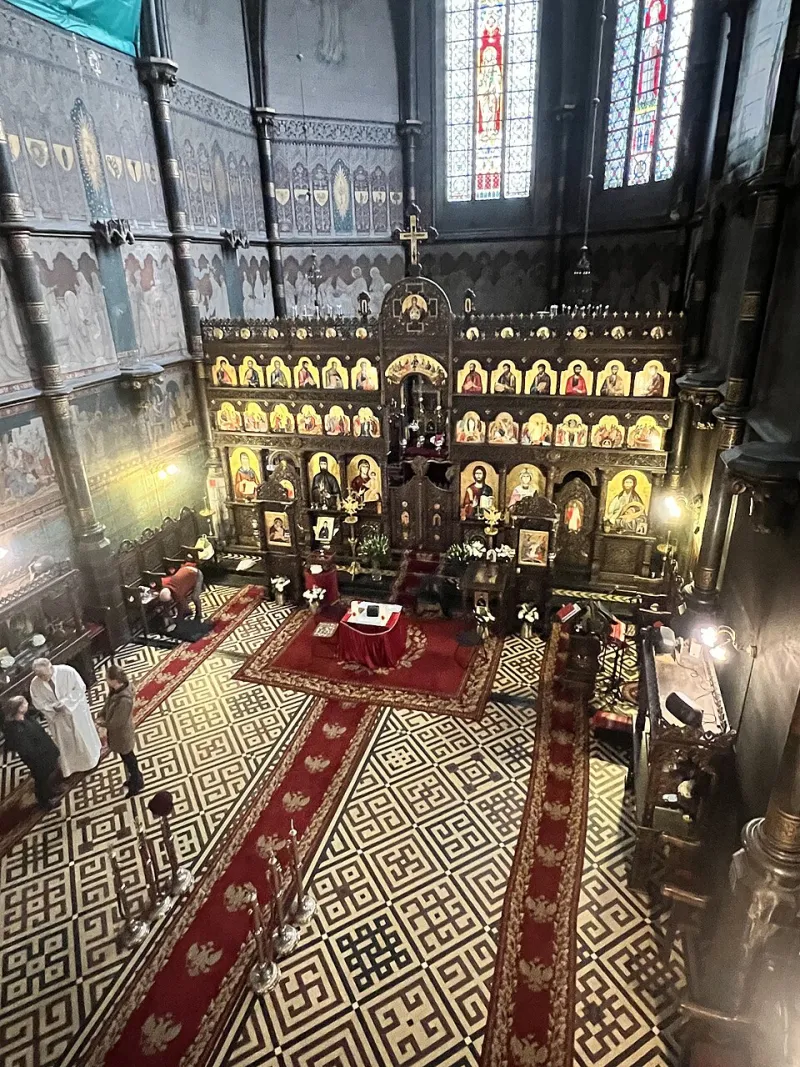
Photo: Bdx, CC0, via Wikimedia Commons
A converted chapel offers a peculiar bargain. The walls are generous, the roof is ambitious and the windows were never intended to frame a sofa. Ecclesiastical glass was made to instruct, to memorialise and to lift the eye; it was not designed for privacy, thermal comfort or the ordinary rituals of domestic life. For the renovator, that mismatch is the central question. How does one inhabit a former place of worship without treating its glazing as scenery, and without making every cup of tea feel like a trespass?
In 2026 the stock of redundant chapels, meeting rooms and small churches coming to the market remains steady, particularly in Wales, the North West and East Anglia. Many are listed at Grade II; some sit within conservation areas; a few retain windows of real quality. The practical approach is neither wholesale preservation nor discreet replacement, but a careful reading of what the glass is, what it needs and what a household can reasonably give it.
Reading the glass before the furniture arrives
The first task is not decorative but diagnostic. A domestic building surveyor will assess structure and damp, but period glass demands a separate eye. Commission a conservator or an experienced stained-glass specialist to inspect the windows in raking light, record each light photographically and note the condition of lead, putty, saddle bars, ferramenta and stone or timber surrounds. Look for bowed panels, corroded lead, failed cementing, loose quarries, condensation staining and evidence of past repairs. The aim is a schedule of condition that can be revisited, not a vague assurance that the windows are 'in keeping'.
Significance matters as much as condition. A chapel may contain plain leaded lights of modest interest, a single memorial window of high quality, or a complete scheme by a known studio. The local historic environment record, the listing description and any chapel archive can help identify the maker and date. Where the glass is exceptional, the conservation principle is minimal intervention: stabilise, re-lead only where necessary, and retain as much original material as possible. Where it is ordinary but characterful, the same logic often applies, though there may be more room for reversible measures behind it.
Consent, insurance and the paper trail
The ecclesiastical exemption does not follow a building into private ownership. Once a chapel is sold for residential use, works to the listed fabric, including the windows, normally require listed building consent from the local planning authority. Internal secondary glazing, inserted joinery, new vents and even some cleaning methods can engage that requirement. Speak to the conservation officer early. A written schedule and a short method statement are rarely wasted; they demonstrate that the proposal has been thought through rather than imposed.
Insurance needs equal care. Standard household policies may cover accidental damage to glass, but historic stained glass is often excluded, underinsured or subject to a reinstatement basis that takes no account of craft. Ask specifically whether the policy covers removal for repair, temporary protection, specialist cleaning and the additional cost of matching historic glass. Record the windows in a photographic schedule and keep copies away from the house. Where a window is particularly significant, a specialist fine-art or buildings policy may be more appropriate than a domestic add-on.
Privacy without erasure
The most common domestic complaint about chapel glazing is exposure. A former meeting room may face a road or a neighbour with no curtain track and no expectation of modesty. The temptation is to cover the glass, but adhesive film, painted backing and heavy fixed blinds can damage historic surfaces or obscure the very detail that gives the building its character. Prefer reversible interventions: slim curtain tracks fixed into mortar joints rather than stone, internal timber shutters, or free-standing screens set away from the reveal. Where film is unavoidable, use a removable, optically clear product on the internal face only after taking conservation advice, and never on painted or etched glass.
Privacy is also a matter of use. Placing the main sitting area away from the most exposed window, or accepting that a chapel's public face is part of its identity, can be more honest than fighting the architecture. In some cases a vestibule or internal lobby, sensitively inserted, will do more for comfort than any treatment applied to the glass itself.
Heat, moisture and the problem of a cold pane
Single-glazed historic windows are thermally poor, and a large chapel window is a substantial cold surface. Sealing it tightly is not the answer. Traditional glazing relies on some ventilation to manage condensation; if moisture cannot escape, it will settle on lead, putty and stone. Secondary glazing can improve comfort and reduce heat loss, but it must be ventilated and removable, with a gap that allows the historic glass to be inspected and cleaned. Fixed sealed units placed close to old glass can trap moisture and accelerate corrosion.
For very significant windows, isothermal glazing — an internal protective pane set well away from the historic glass — may be appropriate, but it is a conservation intervention rather than a DIY upgrade. In most homes, the prudent sequence is: repair the primary glazing, improve ventilation, add well-detailed secondary glazing where consent allows, and manage heating and humidity rather than trying to make a chapel behave like a new-build. Heavy curtains should be drawn back from the glass to allow air movement.
Living with a liturgical rhythm
A chapel changes through the day in a way that few houses do. Morning light may flood the east end; afternoon may turn a memorial window into a slab of colour across a floor. That rhythm is part of the building's value, and it rewards a lighter touch in furnishing. Keep tall furniture below cills where possible, avoid fixing shelves or pictures into window reveals, and leave the lower panels visible. If a faculty cross or memorial inscription survives, resist the urge to edit it out; interpretation, not erasure, is the domestic form of respect.
Maintenance should be modest but regular. An annual visual check after winter, a clean of paintwork and surrounds with conservation-approved methods, and prompt attention to any cracked quarry will do more than an occasional grand gesture. Keep a simple log of repairs, photographs and permissions. A converted chapel is not a museum, but it is a borrower of light. The household that accepts that loan, rather than trying to repay it by force, tends to live most comfortably within its walls.