Twelve Windows to Watch: A Buyer's Audit for Stained Glass in Period Properties
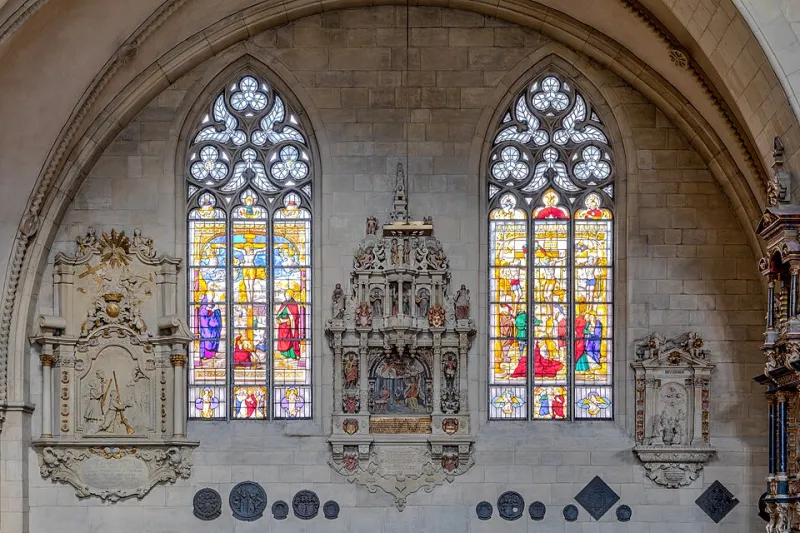
Photo: Dietmar Rabich, CC BY-SA 4.0, via Wikimedia Commons
Stained glass is one of the most seductive features a period property can offer. It is also one of the easiest to overlook during a survey. A general building surveyor will note obvious breakage, but may not comment on corroded lead, missing saddle bars or the true condition of panels hidden behind secondary glazing. For buyers, the window is both an asset and a liability, and the difference is usually found in the detail.
Before the viewing
Ask the agent for the property’s listing status and conservation area designation. Check whether any glazing repairs have planning or listed building consent. If the vendor has documentation—conservation reports, invoices, photographs—request it early. A well-documented window is easier to insure and easier to negotiate.
The twelve-point audit
-
The hidden panel. Move curtains, blinds and furniture. Check behind secondary glazing. Look at internal windows and borrowed lights, where original glass is often forgotten.
-
Lead corrosion. White powder, stiff lead and sagging panels indicate that the lead matrix is failing. Run a gloved hand gently along the lead; it should feel firm, not crumbly.
-
Cracked or missing quarries. Note the location and pattern. A single crack may be accidental; cracks at edges or in a line may indicate movement.
-
Saddle bars and ties. Missing bars allow panels to bow. Check for rusted or disconnected ties, especially in tall windows.
-
Paint condition. Flaking, lifting and loss of detail should be assessed for activity. Historic flaking may be stable; active lifting is not.
-
Bulging and distortion. A panel that has bellied towards the interior or exterior has lost tension and may need re-leading.
-
Cement and putty failure. Crumbling bedding, water stains and loose glass all point to water ingress and a need for conservation.
-
Ventilation and condensation. Sealed secondary glazing can trap moisture. Ask when it was installed and whether the original window can breathe.
-
Inappropriate past repairs. Silicone, mismatched glass, plate glass replacements and odd lead profiles are all warning signs.
-
Stonework and structure. Cracked mullions, failed lintels and blocked drainage can damage a window more than glass alone.
-
Security and insurance. Ground-floor windows, lead theft and access for maintenance all affect risk and cost.
-
Documentation and provenance. Look for marks, dates and maker names. Photograph the window before any works, and ask for a written history if one exists.
At Stained Windows, we advise buyers to treat the window as part of the building’s envelope, not as a removable ornament. That means looking at it from both inside and outside, and in different lights.
What repairs tend to cost
Indicative UK figures for 2026, subject to survey and region: replacement of a single quarry, £40–£90; re-leading a small domestic panel, £300–£800; new saddle bars and ties, £150–£400; conservation report, £250–£600; full restoration of a typical domestic window, £1,500–£5,000. These are not quotations. Access, glazing height and listed building requirements can add significantly.
When to negotiate, when to walk away
Negotiate when the issues are local and the window is fundamentally sound: a handful of cracked quarries, missing saddle bars or failed cement. Walk away—or seek a substantial reduction—when lead corrosion is widespread, panels are distorted, water has damaged internal stone or plaster, or consent for past works is absent. A window that is one of few surviving examples of a local maker may justify greater expenditure, but that is a conservation judgment, not a bargaining position.
Commission a specialist glazing report before exchange. Ask for a specification that distinguishes conservation from replacement. Get the quote in writing, with lead times. Then decide, with clear eyes and a realistic budget.